
NOTE: Demo visuals include blurred data or synthetic placeholders to protect customer privacy.
Closing the Feedback Loop
In this iteration of Code to Content, Brandon's premise was that the website's velocity is bottlenecked less by code and more by how feedback travels. So he and his web marketing stakeholders built the surfaces and the plumbing for that feedback to land where the agents already work.
Feedback Scattered Across Tools
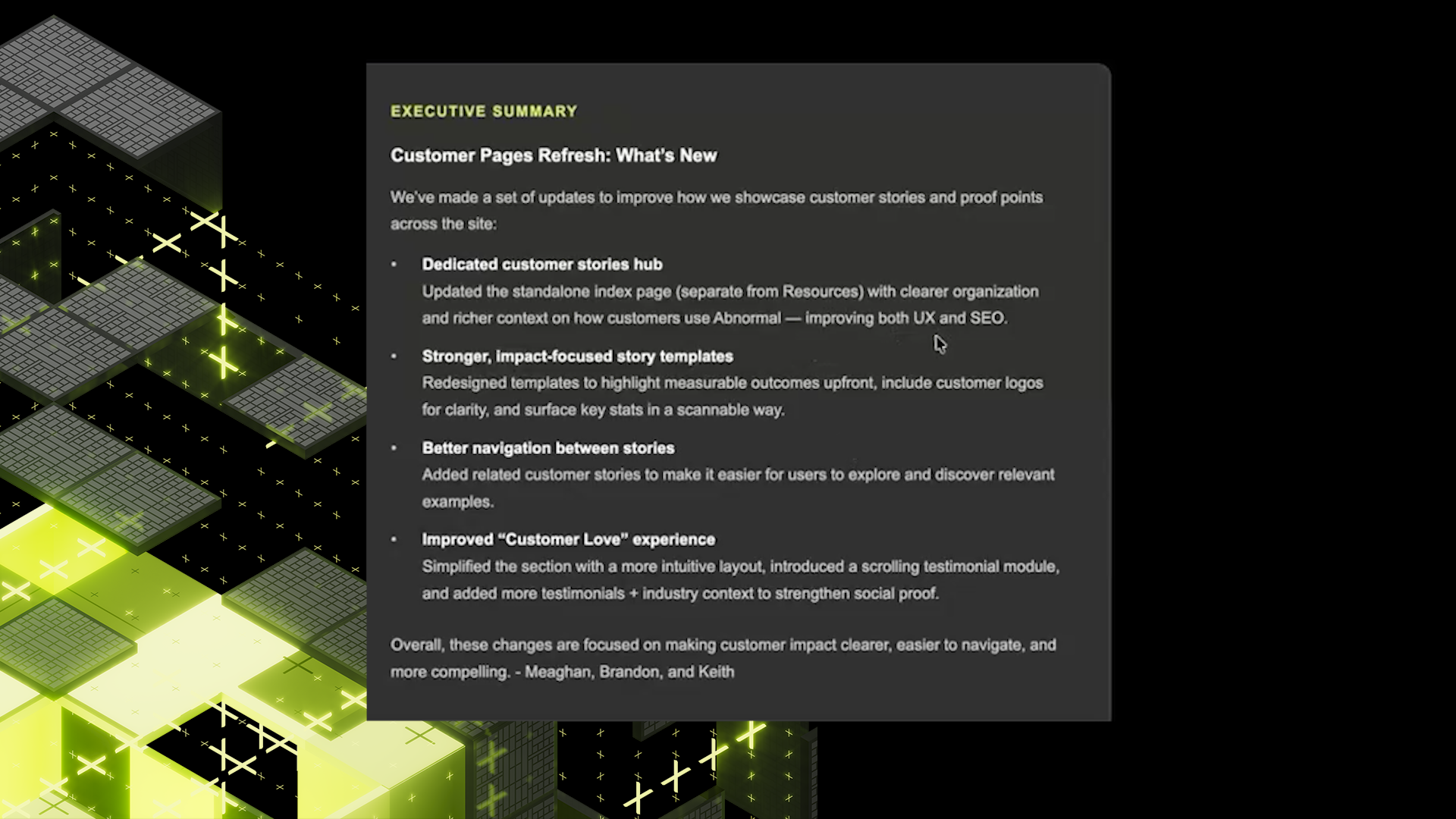
At one point, page-level feedback on the rebuild lived everywhere except one place. The web marketing stakeholders running evaluation and exec communication for the site were trying to keep up with a multi-sprint redesign while leaving notes wherever the moment called for it. The marketing pod was doing the same. Brandon was the human router pulling it all together for the agents.
- Feedback lived in docs, Slack threads, and screenshots, with no single source of truth.
- Back-and-forth to clarify what needed to change in a specific section took longer than the actual review.
- Tracking which pages were reviewed, ready, or still pending was manual and opaque to the rest of the pod.
The result was a feedback tax that scaled badly with every new sprint.
Comments on the Page Itself
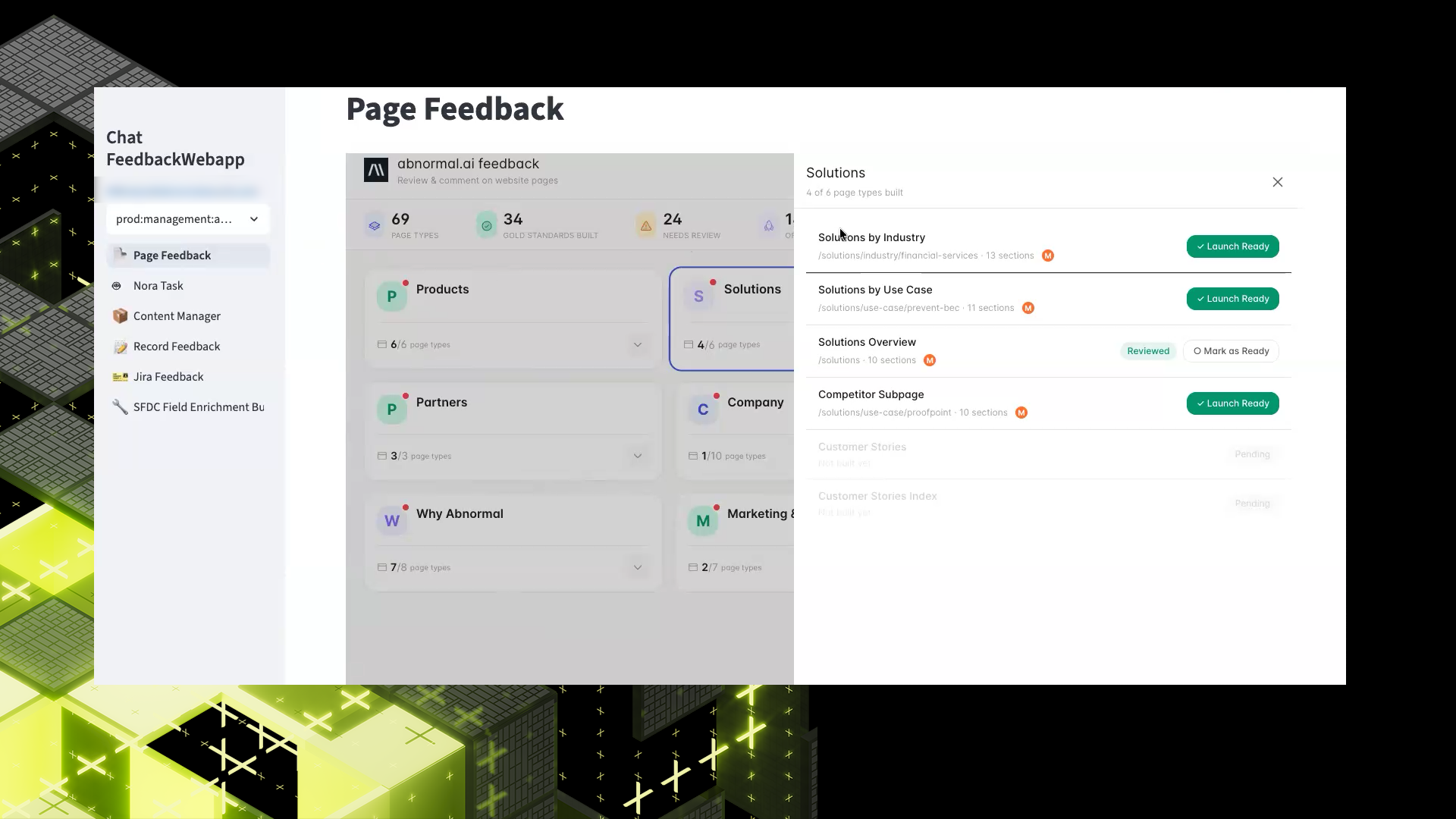
Brandon and his web marketing stakeholders rebuilt the workflow around the page itself. The new app puts comments directly on the live website, attached to specific headlines, sections, or components. A separate dashboard lists every page in the rebuild with its current review status, so the pod can see at a glance which pages are reviewed, which are ready, and which still need work.
The connecting move is what happens after a stakeholder leaves a comment: Brandon's agents pick it up automatically at the start of every Claude Code session, no prompt required.
- One dashboard listing every page with its current feedback state
- Comments tied to specific headlines, sections, or components on the live page
- Reviewed and ready status flags so the pod can see progress
- Agents auto-load comments at the start of every Claude Code session
- New scroll-animation media components, generated through iterative taste feedback
With the loop closed, Brandon's iterations land faster and stakeholder evals stay precise, restoring the time the team used to lose to feedback hygiene.
Faster Iterations Across the Pod
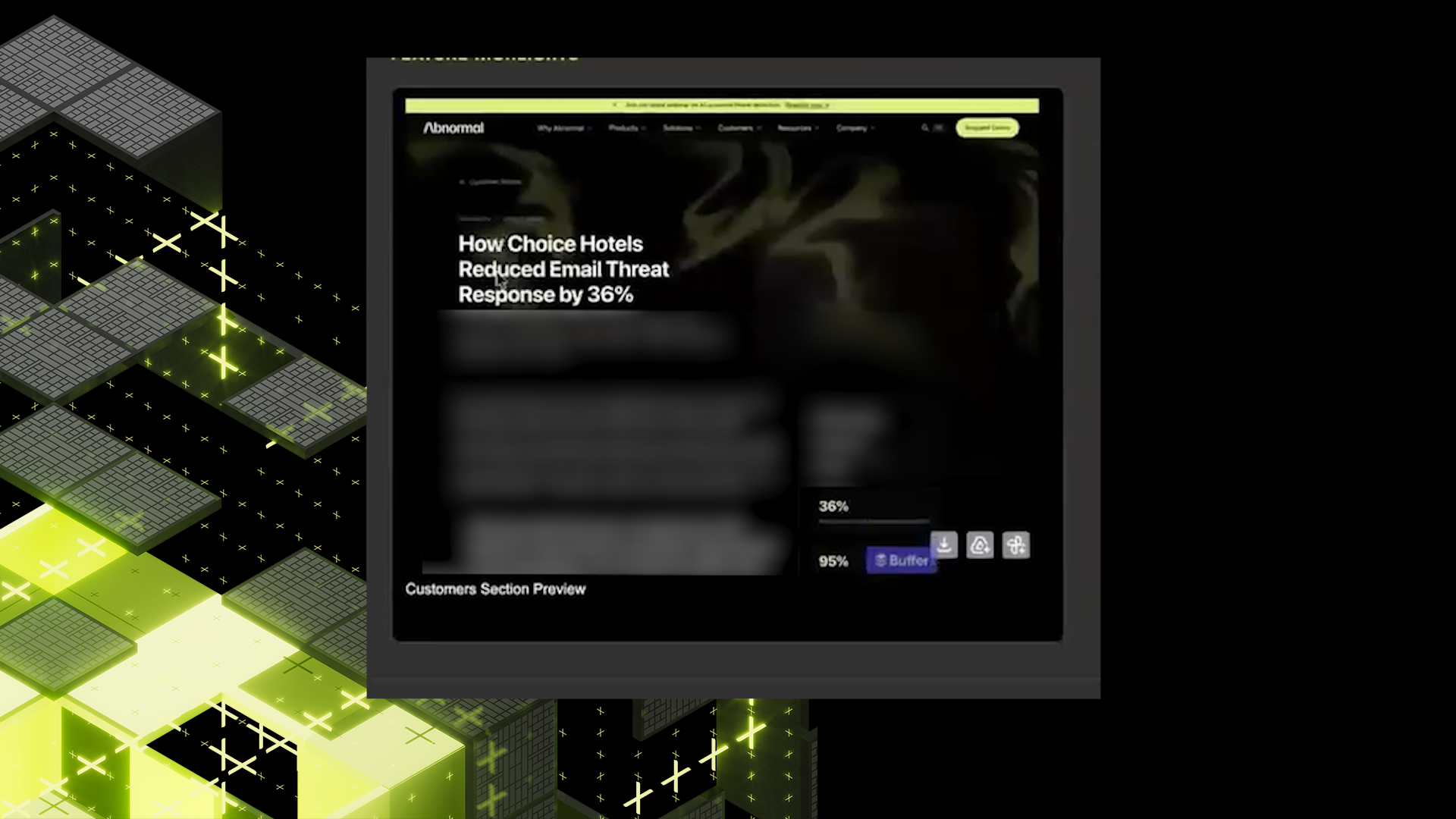
Sprint 4 closes this week, with seven sprints sequenced behind it. The weekly executive update Brandon publishes covers the page templates that shipped, the milestones that landed, and what the next sprint will deliver. That rhythm now travels to the AI transformation team and a handful of execs every week.
For the marketing pod, the immediate value is reclaimed time: operators on the page no longer chase Slack threads to figure out what a comment meant. For builders, the agents arrive at every session pre-loaded with stakeholder context, so the handoff from review to code is automatic. For leadership, the weekly newsletter makes a multi-month rebuild legible without a status meeting.
- Feedback consolidates into one on-page surface instead of three scattered tools
- Agents bootstrap each session with stakeholder context, removing manual handoffs
- Sprint cadence is legible to executives via the weekly update
- New media types like scroll animations become possible as iteration tightens
- Other AIPMs in the marketing pod can adopt the same eval workflow
The next concrete step is to extend the on-page feedback workflow to additional AIPMs in the marketing pod and to roll the scroll-animation component out to more pages across the site.
First-Person Feedback Travels Further
Peers in the room called out that the demo's strongest move was including first-person video clips from the stakeholders themselves, and encouraged the rest of the Demo Hour audience to do the same when their stakeholders are willing. Hearing the workflow described by the people actually using it made the case for the system more credible than any builder narration could.
That pattern aligns with the broader bet behind the AI-native website project: pull stakeholders into the demo loop, not just the engineering loop. Brandon plans to keep the format for upcoming sprints, with the same web marketing stakeholders continuing to anchor the weekly evidence as the rebuild moves into its next phase.
